Autism, or autism spectrum disorder, is a neurodevelopmental difference that affects how a person communicates, experiences the world around them and manages everyday life. Every autistic person is different: some need a lot of support, others live independently and need help only in certain areas. Autism is not caused by parenting, and with the right support it can be managed well.
What are the signs of autism?
Signs show up differently in every child and can vary a lot in intensity. The following areas often stand out:
- Communication: avoiding eye contact, difficulty starting and keeping up a conversation, understanding other people's feelings and hints.
- Speech and language: delayed speech, taking words literally, repeating phrases.
- Routines and interests: a strong need for things to stay the same, difficulty with change, very focused interests.
- Sensory sensitivity: over- or under-sensitivity to sounds, light, touch, tastes or smells.
- Repetitive movements: for example hand flapping, rocking or lining up objects.
Signs often appear in early childhood, but sometimes they are only noticed at school age or in adulthood, especially when a person has learned to mask their difficulties. In girls and women, autism often goes unnoticed for longer.
How is autism diagnosed?
An autism diagnosis is made by a psychiatrist together with other specialists. The assessment is based on observation, conversations and the child's developmental history. If you have questions about your child's development, a good first step is often to talk to your family doctor. At Heaolu Keskus we do not diagnose autism, but we help you notice difficulties, support the child and family and advise you on next steps.
How can a psychologist help?
- helps parents understand their child and find solutions that work in everyday life
- supports the child in understanding and expressing emotions and practising social skills
- helps with anxiety, overload and coping with change
- supports the family after a diagnosis
- gives advice on working together with the kindergarten or school
Autism does not define a child's worth or future. When the environment takes their needs into account, a child can make the most of their strengths.
How to support your child at home
- Keep the daily routine predictable and prepare your child for changes, for example with pictures or a schedule.
- Speak briefly and clearly and give your child time to respond.
- Notice which sounds, lights or situations overwhelm your child and make room for rest.
- Support your child's interests, which are often a strength and a source of joy.
- Take care of yourself too, because a parent's rest and support matter for the child.
When to seek help?
If you have questions about your child's development, communication or behaviour, if everyday life has become hard for the family, or if your child has received a diagnosis and you need support, it is worth turning to a child psychologist.
Book an appointment with a child psychologistWho to talk to?
For questions related to autism you can turn to psychologist Ilona Laasma, who works with children, teenagers, parents and adults, in English and Russian.
Frequently asked questions
Does autism go away with age?+
Autism is lifelong. Skills and coping keep developing throughout life, and the right support helps both children and adults do well.
Is autism caused by parenting or vaccines?+
No. Autism is a neurodevelopmental difference with a strong hereditary component. Research has found no link with vaccines or parenting style.
Can autism be diagnosed at Heaolu Keskus?+
No. The diagnosis is made by a psychiatrist. Our psychologist helps you notice difficulties, supports the child and family and advises you on next steps.
Can an adult be autistic without a diagnosis?+
Yes. Many adults only learn about their autism later, for example when their own child is diagnosed or when everyday demands become too much. It is worth seeking assessment and support as an adult too.
Related topics


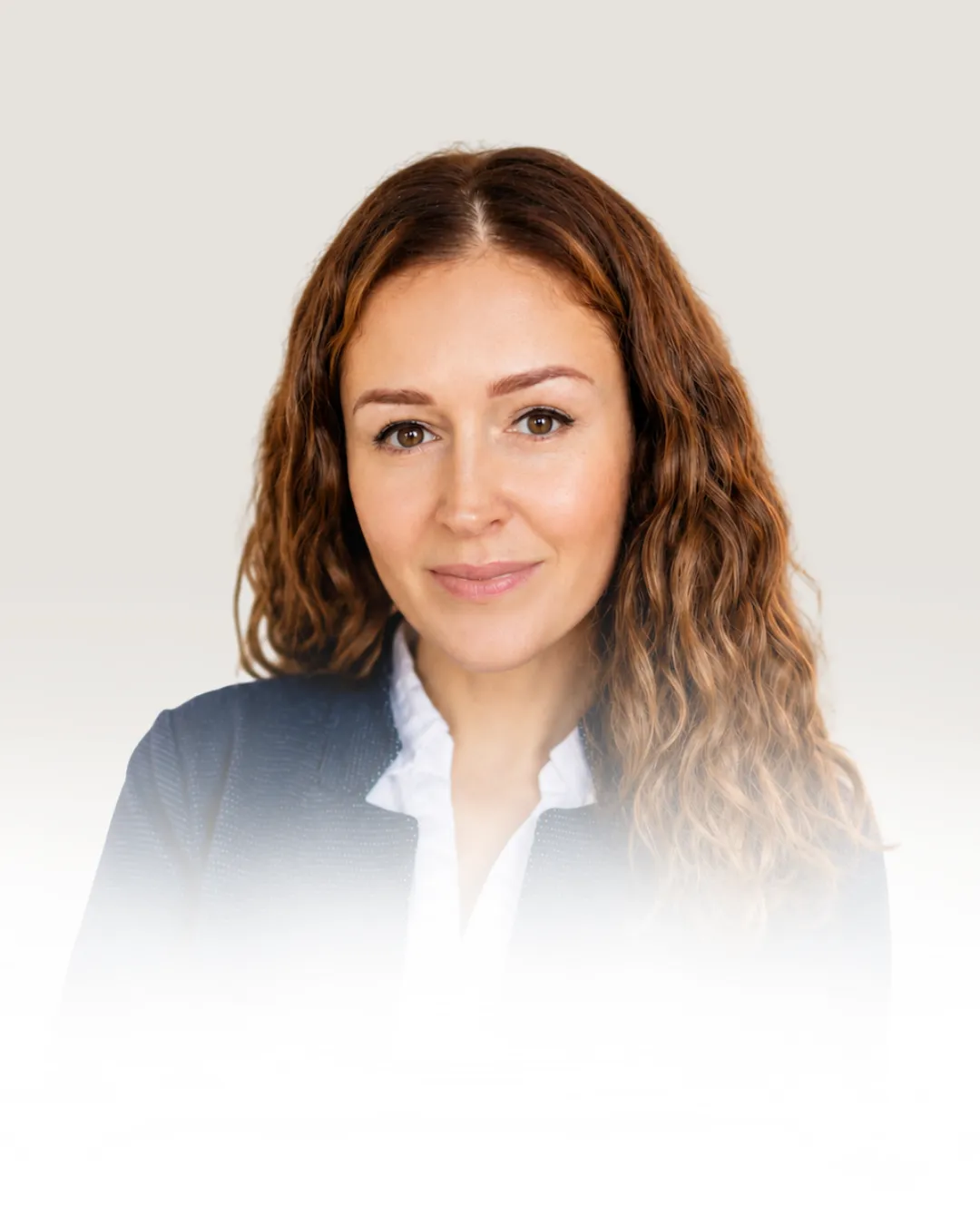 Ilona Laasma 🇷🇺 🇬🇧